Can My California Employer Charge Me for Quitting? Training Repayment Rules for 2027
Your offer letter says you will owe $8,000 if you leave within two years. The employer calls it training reimbursement. Before accepting that demand, identify when you agreed to it, what the payment actually covers and which California rules apply.
A major September 2026 update matters: AB 1697 moves the specific stay-or-pay prohibition to contracts entered into on or after January 1, 2027. Articles saying AB 692 automatically bans every new 2026 repayment clause are now out of date. The change does not mean every earlier debt is enforceable.
Agreement | Key question |
|---|---|
Contract entered before January 1, 2027 | Which other laws govern the demand? |
Training repayment in a 2027 contract | Does the qualifying degree exception meet every condition? |
Bonus repayment | Separate terms, counsel review, proration, deferral and permissible separation trigger? |
Advanced paid time off | Voluntary departure, required separate disclosure, 40-hour cap and no interest? |
What changed in September 2026?
The Governor’s September 30 legislative update confirms AB 1697 was signed. The chaptered legislation amends Business and Professions Code section 16608 and Labor Code section 926, takes immediate effect and changes the contract cutoff to January 1, 2027.
It also makes the prior versions inoperative for January through December 2026 and states that pending claims based on violations during the specified 2026 period are moot. If you already asserted an AB 692 claim, obtain advice about the amendment’s effect. Do not assume the new date automatically resolves a dispute based on other law.
What kinds of quit fees does the 2027 rule target?
For covered new contracts, the general prohibition reaches terms requiring a worker to pay a debt, allowing collection or ending forbearance, or imposing penalties, fees or costs when the work relationship ends. A clause’s label is not the whole analysis.
Imagine one agreement says “training costs,” another says “replacement hiring fee,” and another calls the charge “liquidated damages.” Ask the same practical question: what event makes the money payable? A debt triggered by departure needs a different analysis from an ordinary independent loan that is payable regardless of whether you keep the job.
Can an employer recover tuition for a degree?
A narrow exception concerns tuition for a transferable credential: a degree offered by a third-party institution accredited and authorized to operate in California, not required for the current job, and transferable and useful beyond the employer. Internal orientation or learning the employer’s software does not become that degree merely because HR calls it training.
The tuition agreement must be separate, must not make obtaining the credential a condition of employment, disclose the amount in advance, cap it at the employer’s cost, prorate repayment and avoid accelerating the payment schedule on separation. It cannot require repayment when the employer terminates the worker except for misconduct. Check every condition, not just whether the education helped your career.
Are sign-on bonus repayments still allowed?
Some discretionary or unearned monetary payments not tied to specific performance can fit an exception. The repayment terms must be separate; the employee must be told of the right to consult an attorney and have at least five business days for that advice.
Early-separation repayment must be interest-free, prorated over a retention period of no more than two years from payment, and triggered only by the employee’s choice or employer termination for misconduct. The worker must have the option to defer receiving the payment until the retention period ends without a repayment obligation.
Ask for the calculation. If the employer claims the full original bonus after substantial service, request the written proration provision and the dates used. A calculation sheet is easier to evaluate than a demand saying only “you owe the bonus back.”
What other exceptions should I check?
The amended statute also includes government loan-assistance and forgiveness arrangements, qualifying government-funded recruitment or retention programs, approved apprenticeships and residential-property contracts. Certain regulated financial-services affiliation payments have their own conditions. Advanced paid-time-off repayment upon voluntary separation also has a specific exception with disclosure, a 40-hour limit and no interest.
These are targeted exceptions, not permission to put any repayment term into a contract. Obtain advice if your situation falls into one of these categories.
What should I do before paying a demand?
Keep the signed offer, repayment agreement and any later amendments.
Record the agreement date, payment date and termination circumstances.
Request itemized actual costs and the employer’s claimed exception.
Check for wage deductions, collection letters or court-response deadlines.
Have a California employment adviser assess the contract and other applicable protections.
Does a 2026 contract automatically survive?
No. Missing the new cutoff does not prove enforceability. Other rules, including employer expense-reimbursement obligations and unfair-competition protections, remain relevant. Equally, do not promise that a 2027 rule retroactively cancels an older contract.
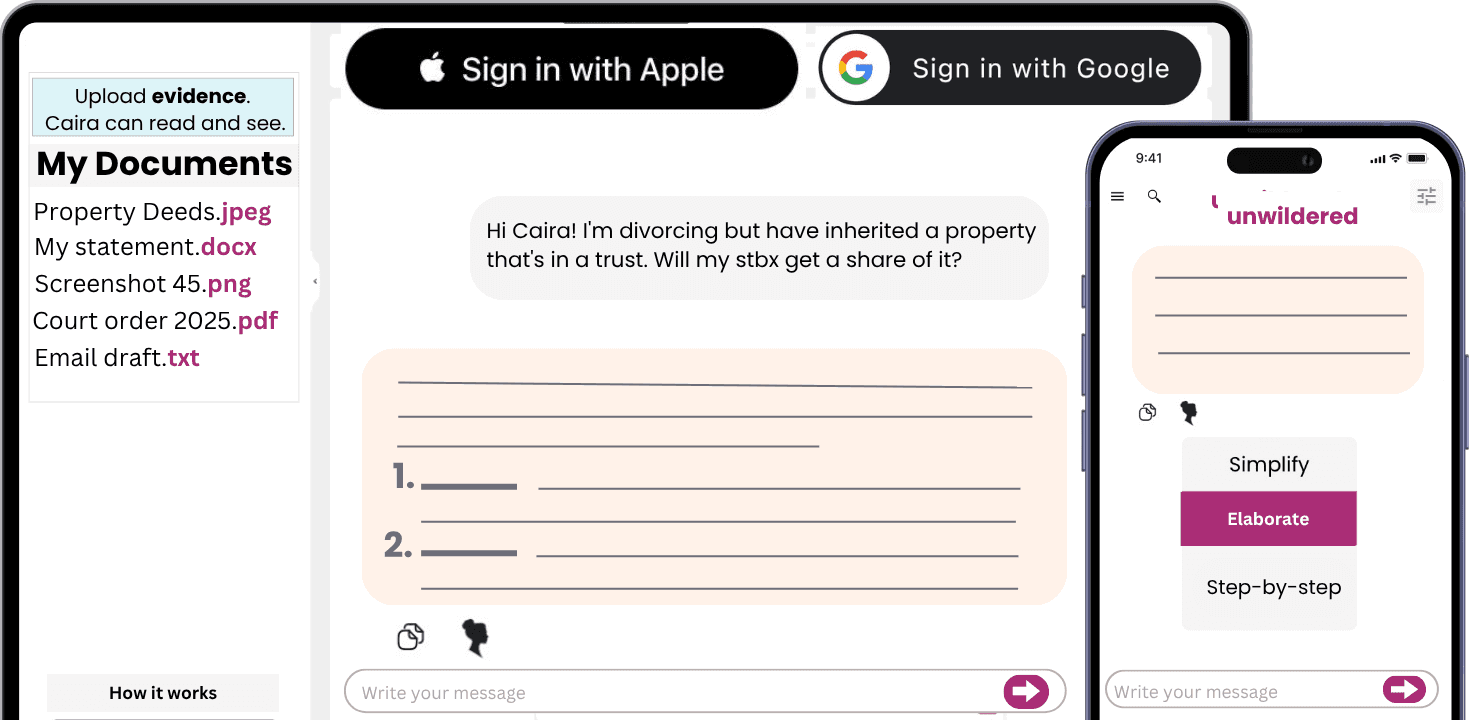
Caira by Unwildered can help organize the documents and draft questions about the alleged debt. Use professional advice for a disputed legal obligation or threatened litigation.
Sources checked October 7, 2026.
Disclaimer: This article is general information, not legal, financial, tax or medical advice.
Related reading