A letter about Medicaid work requirements can be frightening, especially if your health already makes working difficult. The first question is whether the requirement applies to your particular coverage group. The second is whether an exemption or another qualifying activity applies.
Under the federal framework, states generally must implement the new requirement by January 1, 2027, although some begin earlier. It covers certain adults aged 19–64 who are not entitled to or enrolled in Medicare and are in the Medicaid adult group or particular waiver programs, rather than every person receiving Medicaid. The CMS rule summary explains the scope and exemptions.
Who may be exempt from Medicaid work requirements?
Examples include pregnancy or qualifying postpartum coverage, certain parents or caregivers of children aged 13 or younger, caregivers of people with disabilities, and people who meet the rule's medical-frailty criteria. Other categories include certain former foster-care youth, American Indians and Alaska Natives, veterans with a total disability rating, and participants in drug or alcohol treatment. This is not the complete list.
A medical diagnosis does not automatically establish every exemption. Ask your state which eligibility category applies and what evidence it accepts. Preserve the answer rather than assuming that a doctor's appointment, disability application or old exemption carries over.
What counts toward the 80-hour requirement?
The federal consumer guidance describes work, approved training, community service and education. Qualifying activities can be combined. Enrollment in education at least half-time provides a separate route; school hours below half-time may count toward the hours total. Another route uses monthly earnings at least equal to 80 times the federal minimum wage—$580 at the 2026 federal rate. Seasonal work has separate treatment.
Someone who works irregular shifts should therefore check both earnings and hours. A person studying or caring for a disabled relative should ask about the education route or caregiver exemption before trying to arrange unrelated volunteer work.
Why you should prepare before January 2027
State implementation matters. For example, Indiana's HIP guidance says requirements begin for applications and redeterminations initiated on or after January 1, 2027. It says January applicants must meet requirements for October, November and December. That is an Indiana example, not a nationwide three-month rule.
Do not wait for a renewal letter to begin assembling records. Ask your own agency which months it will examine, how often it will check, and how to report an exemption. Save the page or notice you relied on with its date, because operational instructions can change.
What records might prove compliance or an exemption?
Use this as a preparation list, not a promise that one document meets every state’s rules.
Possible route | Useful evidence to ask about |
|---|---|
Work or earnings | Dated pay stubs and monthly hours; ask which months the state checks. |
Education | Enrollment confirmation showing the school’s half-time status, or activity hours. |
Caregiver exemption | The state’s caregiver form and evidence of the dependent’s age or disability. |
Medical-frailty exemption | The state’s criteria and accepted medical evidence; a diagnosis alone may not settle eligibility. |
Your preparation checklist
Confirm the coverage program on your approval letter, your renewal date, and the state's start date.
Update your mailing address, phone and online account contact details.
Keep pay stubs and a month-by-month hours record; save education enrollment or approved activity confirmations.
If seeking an exemption, ask for the exact form and evidence requirement. Keep copies of submissions and receipt numbers.
Ask how a month with illness, job loss or fewer shifts will be assessed.
What if the agency says it cannot verify compliance?
The CMS framework requires a notice and 30 calendar days to demonstrate compliance or show that the requirement does not apply. Read the actual notice immediately: response instructions and any appeal deadline need separate attention. A request for clarification is not necessarily an appeal.
Make a short response file with the notice, the months disputed, the relevant records and your submission receipt. Ask a benefits adviser or legal-aid service about appeal rights and whether coverage can continue during an appeal. Avoid assuming that silence means the issue has been resolved.
Can Caira help with a Medicaid notice?
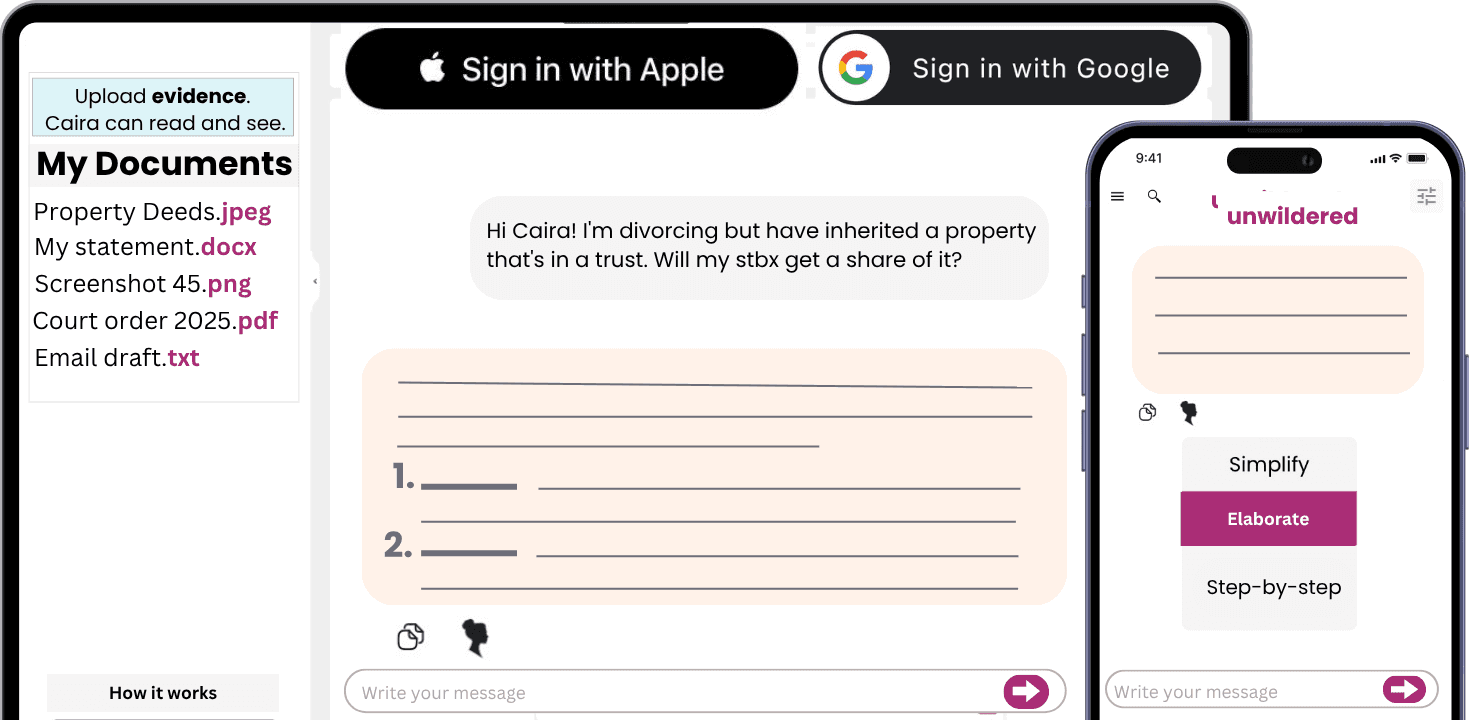
You can use Caira to organize a notice and supporting records into a chronology and draft focused questions for your state agency or adviser. Remove unnecessary sensitive identifiers before uploading. For an imminent coverage loss, contact the agency and a benefits adviser directly.
Related reading
Official sources checked October 7, 2026. State implementation and litigation may affect the position; confirm current instructions before acting.
Disclaimer: This article is general information, not legal, financial, tax or medical advice.