Lost Money to a Scam? How to Avoid a Second Refund or Recovery Scam
After losing money to a scam, it is natural to look for a way to repair the damage quickly. An unsolicited message saying someone has found your funds can arrive at precisely the moment you want good news. You do not have to decide on the spot. Pause long enough to check who is contacting you and what they want you to do.
Someone approaching you again may be exploiting information about the earlier loss. Keep legitimate recovery options open by verifying the process independently.
Why the caller may know your story
In an August 2026 alert, the FTC warned that recovery scammers buy information about people previously scammed. They may pose as a government agency, consumer organization or law firm. Read the current FTC warning. Knowing your name, the old business or the amount lost does not establish that the caller can recover it.
The FTC's refund and recovery scam guide identifies demands for an upfront payment or sensitive financial information as danger signs in unexpected recovery approaches. The charge might be dressed up as a tax, release fee, administrative cost or retainer. Renaming it does not answer the question of whether this is a real recovery process.
Three checks before replying
Check | Safe next step |
|---|---|
Organization | Find official contact details independently. |
Refund matter | Verify the case or program, not just the organization’s name. |
Requested action | Stop for fees to release money, secrecy, passwords or remote access. |
If the person claims to be a lawyer, independently check the relevant state bar record and contact the firm using verified details. A real lawyer may charge for genuine legal work. That is different from treating an unsolicited promise of guaranteed recovery as proof that paying the caller is safe. Verify identity, scope, written terms and realistic prospects before considering representation.
A worked example: the “release fee”
Imagine Denise lost $2,400 to a fake investment. Months later, a caller knows the original company's name and says a refund is ready. He wants $180 to clear it and gives her a reference number. Denise writes down the details, ends the call and searches for the supposed agency independently.
She finds no matching refund case. The caller's familiarity with her loss no longer feels like evidence of authority; it is simply information he has. Denise saves the message, reports it and contacts the payment provider for her original transaction. She has shifted from a stranger's deadline to a process she can document.
Real FTC refunds can be checked
The FTC directs people to its official refund listings to verify cases and legitimate contacts. Its guidance says it does not charge refund fees, request Social Security or bank-account details to release a refund, or ask for remote access to a computer. See how to check an FTC refund.
Check the particular program rather than applying a rumor about another settlement. For example, the current Amazon Prime refund page specifically says the FTC is not contacting people about that matter and Amazon administers the payments. Read the Amazon warning. A real program's existence does not authenticate every message mentioning it.
If you paid, focus on the next concrete step
Contact the bank, card issuer, payment app, wire service or gift-card issuer immediately and ask what can be stopped or reversed. Use contact details from your account or card. Keep transaction references and the provider's response. The FTC offers recovery steps by payment method; the possibility of reimbursement depends on what happened and the applicable protections.
Build a small evidence file: the original loss, the recovery approach, dates, amounts, payment destination, messages and any documents. Keep the two events distinct so a bank or investigator can see what each payment concerned. Write facts you can support, and mark anything you were merely told.
If you shared a password, change it and enable two-factor authentication. If someone accessed your device, follow the FTC's security guidance and obtain help from a trusted source. For exposed or misused identity information, visit IdentityTheft.gov.
Report the approach at ReportFraud.ftc.gov and to your state attorney general. Reporting helps authorities identify patterns; it is not a guarantee that they will recover your particular loss. A useful immediate goal is smaller: protect remaining funds, preserve evidence and get a clear response from the provider that handled your payment.
Common questions
Can a recovery company guarantee my money back?
Treat a guaranteed outcome as a danger sign. Verify the organization independently and ask the provider that handled the original payment what remedies remain.
Will reporting a scam automatically get me a refund?
No. Reporting and requesting payment recovery are separate steps. Contact the payment provider promptly as well as reporting the fraud.
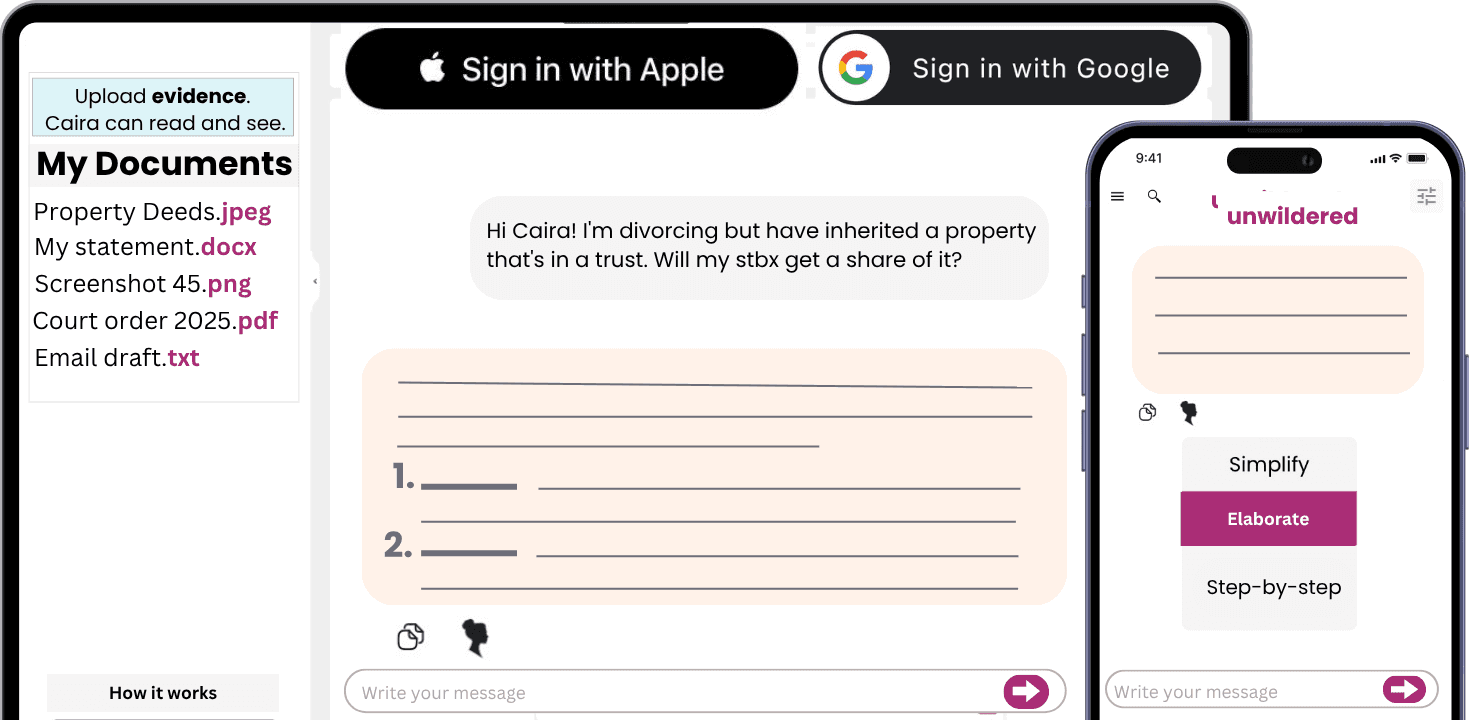
Caira can help you organize a timeline or turn your documents into a clear list of questions. Open Caira for an AI-assisted starting point. Check important decisions with the relevant organization or a qualified adviser.
Disclaimer: This article is general information, not legal, financial, tax or medical advice.
Sources checked October 7, 2026.
Related reading