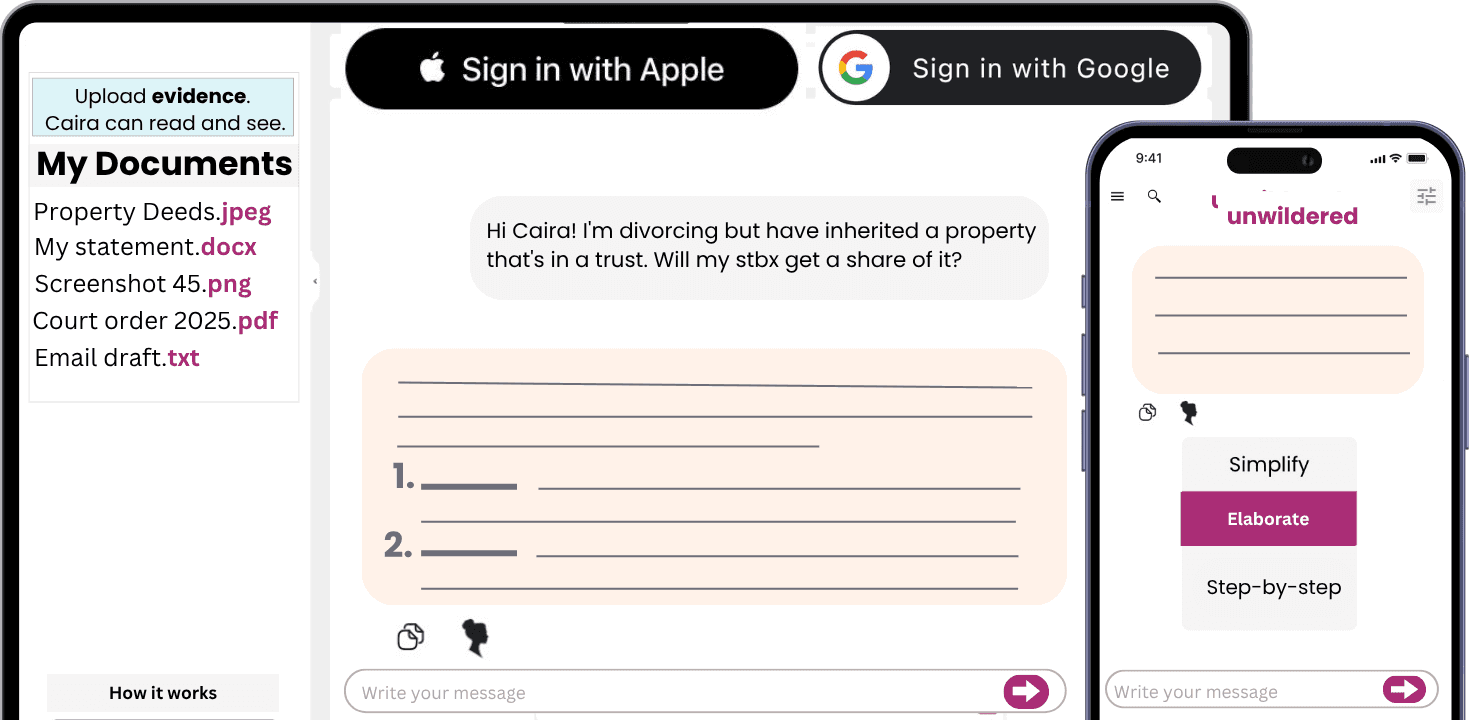
Working on Closing Binder Missing Documents Checklist? The so what is simple: if the file cannot show authority, version, evidence, threshold, deadline and owner, the final legal or commercial decision is harder to trust. Upload the relevant files to Caira and turn them into a reviewable checklist.
Open Caira
Start with the decision the file needs to support. Then build the evidence index before conclusions harden. Separate missing information, business decisions, legal assumptions and filing mechanics. Keep dates, document versions and named owners visible from the start.
Official Data Points To Anchor The File
Use these source-backed checks to make the page practical rather than generic.
A closing binder should preserve final signed documents, exhibits, approvals, certificates, filings and closing deliverables.
Signature pages should be reconciled against the final version, not an earlier circulated draft.
Post-closing filings, UCC terminations, secretary certificates and board or stockholder approvals should be tracked as separate evidence categories.
So What
Closing Binder Missing Documents Checklist matters because the risk is usually not one missing paragraph. It is traceability. You need to turn a scattered closing folder into a reliable final transaction record, while keeping source authority, operative documents, approval mechanics, evidence ownership and unresolved assumptions separate.
The goal is not to replace a source document with a summary. The goal is to make the record easier to inspect: what was requested, what rule or contract term controls it, what was approved, what evidence supports it, what is missing, what has been escalated and what still needs a responsible decision.
Two Situations Where This Comes Up
Scenario 1. A private equity buyer closes a $147 million acquisition across three subsidiaries, five lenders and 27 signature packets. Everyone celebrates closing, but the binder is missing officer certificates and final schedules. The buyer wants orderly post-closing integration; the seller wants no open-ended document chase.
Scenario 2. Months later, the lender asks for a missing UCC termination and the buyer cannot find the final exhibit set. The issue is not glamorous, but it affects release mechanics, covenant compliance and who pays for cleanup.
Common Issues This Solves
This issue usually shows up in practical ways. Post-closing teams need executed documents, certificates and filings in one controlled index. Signature pages without final versions cause future audit problems.
It also creates review friction later. State filing receipts and payoff releases are common missing items. Post-closing cleanup needs owners, dates and proof of completion.
Documents To Collect
closing checklist and responsibility list
executed transaction agreements
board and stockholder approvals
secretary and officer certificates
state filings and receipts
third-party consents, notices and payoff documents
final exhibits and schedules
Authorities And Records To Check
Start with the authority or record that controls the issue, then check the actual document set in front of you. Where state, agency, court or county rules differ, keep the jurisdiction-specific authority and the reviewed document together.
For this page, the authority check should stay tied to the actual file. Delaware corporate, amendment and merger sources support the approval and filing parts of the binder. The useful binder file separates fully executed documents from drafts, certificates, consents, filing receipts and post-closing deliverables. Each missing item should have an owner and status.
Review Points For The File
Use this as a compact review table. It keeps the legal source, the working document and the final disposition in the same line of sight.
Check | What To Confirm |
|---|---|
Authority | Identify the governing statute, rule, form, agency guidance, court record, county rule or contract provision before drafting. |
Version | Lock the document draft, exhibit set, source page or PDF, review date and signer or filing status. |
Issue type | Tag each point as approval, filing, notice, closing condition, confidentiality, deadline, monetary exposure, control failure or remediation. |
Evidence quality | Distinguish primary documents from summaries, screenshots, management explanations, review notes and unresolved assumptions. |
Disposition | Record the owner, authority reference, document cite, proposed action, final decision and date closed. |
How To Use This Checklist
Work from one index before any memo, filing, notice or redline is finalized. Create a column for source authority and a separate column for the actual file or exhibit that supports the point. Mark each gap as factual, legal, commercial, filing, notice, approval or evidence-quality so the next reviewer knows what kind of problem it is.
Keep a short decision log for items closed by business judgment, risk acceptance, revised drafting or further review. Flag stale materials explicitly before reuse. That gives the next reviewer a clean path from source material to decision.
Questions To Ask Caira
After upload, ask Caira narrow questions that force the file into a table, timeline or checklist. That makes gaps visible before they become late-stage drafting or filing problems.
Which deliverables are signature items, filing items, evidence items or post-closing items
which approvals attach the correct exhibits
what was filed and when
what remains open after closing
Red Flags To Separate
signature pages without final agreements
board approvals not tied to final exhibits
filing receipts missing
payoff or release evidence outside the binder
post-closing items marked complete without proof
Practical Output
A good finished file should be small enough to review quickly and detailed enough to reconstruct later. Keep source documents, working notes and final outputs separated so the trail stays clean. In practice, that usually means producing closing binder index, missing-document tracker, final exhibit version map, filing receipt folder and post-closing cleanup list.
Sources And Authorities To Check
Use these as starting points for jurisdiction-specific review, not as a complete legal opinion.
Delaware General Corporation Law sections 251, 259 and 262, as applicable.
Hart-Scott-Rodino Act, 15 USC section 18a, and FTC/DOJ HSR rules, 16 CFR Parts 801 through 803, where filing analysis is involved.
Purchase agreement representations, disclosure schedules, consent provisions and closing deliverables.
Escrow agreement, indemnification notice provisions and post-closing dispute procedures.