Disability Discrimination at FedEx: The EEOC's Nationwide Lawsuit and Your Rights
The EEOC's Nationwide Lawsuit
In September 2024, the Equal Employment Opportunity Commission (EEOC) filed a major lawsuit against FedEx, alleging the company systematically discriminated against workers with disabilities. The lawsuit claims FedEx sidelined and fired ramp transport drivers nationwide who needed accommodations for their disabilities.
This is a class action, meaning it could affect many FedEx workers across the country. The EEOC alleges FedEx violated the Americans with Disabilities Act (ADA) and is seeking back pay, damages, and changes to company policies. The case is ongoing—outcomes are not guaranteed, and it may take time for any relief or policy changes to be implemented.
If you work for FedEx and have a disability, this lawsuit has direct implications for your rights and may increase scrutiny of FedEx’s practices.
What the EEOC Alleges
The lawsuit focuses on FedEx’s treatment of ramp transport drivers—workers who move cargo between airport ramps and terminals. According to the EEOC:
Workers who requested accommodations were sidelined or placed on unpaid leave
Employees with disabilities were terminated rather than accommodated
FedEx failed to engage in the required “interactive process”
Blanket policies were applied instead of individualized assessments
Requests for reassignment to vacant positions were ignored
These alleged practices affected workers at multiple FedEx locations nationwide.
Your Rights Under the ADA
The ADA requires employers with 15 or more employees—including FedEx—to:
Not discriminate based on disability in hiring, firing, pay, or job assignments
Provide reasonable accommodations to enable disabled employees to perform their jobs
Engage in an “interactive process” to find workable solutions
Keep medical information confidential
Not retaliate against employees for requesting accommodations or filing complaints
Some states have laws that offer broader protections or longer deadlines—check your state’s rules.
What Counts as a Disability?
You’re protected if you have a physical or mental impairment that substantially limits major life activities, a record of such an impairment, or if FedEx regards you as having an impairment. Common covered conditions include diabetes, heart conditions, cancer, epilepsy, depression, anxiety, PTSD, ADHD, autism, chronic pain, and many more.
You don’t need a specific diagnosis—what matters is how your condition affects your life and work.
What Is a Reasonable Accommodation?
A reasonable accommodation is a change that enables you to perform your job. Examples include:
Flexible schedules or modified shifts
Breaks for medication or rest
Modified job duties or equipment
Unpaid or extended leave for treatment
Reassignment to a vacant position you can perform
Physical modifications to your workspace
FedEx does not have to remove essential job functions or create new positions, but must consider reasonable changes unless they would cause significant difficulty or expense.
The Interactive Process
When you request an accommodation, FedEx must engage in a good-faith, back-and-forth discussion to find a solution. Both you and FedEx should:
Communicate openly about your needs and limitations
Consider possible accommodations and alternatives
Document all requests, responses, and discussions
FedEx cannot ignore your request, apply blanket denials, or retaliate for asking. If FedEx fails to engage, document every attempt and response.
How to Request an Accommodation
You don’t need special language—just let FedEx know you need a change because of a medical condition.
Steps:
Make your request to your supervisor or HR, preferably in writing. Be specific about what you need and why.
Provide medical documentation if asked, but only what’s necessary to support your request.
Engage in the interactive process—discuss options, be flexible, and document all communications.
Follow up if you don’t get a response. Escalate to HR leadership if needed.
Sample language:
“Because of my [condition], I need [specific accommodation] to perform my job. I’m requesting this as a reasonable accommodation under the ADA.”
What to Do If FedEx Denies Your Request
Ask for the denial and reason in writing
Propose alternative accommodations
Escalate internally to HR or use FedEx’s formal complaint process
File an EEOC charge (within 180–300 days) or with your state civil rights agency
Not all denials are legal—FedEx must show that an accommodation is truly unreasonable or causes undue hardship.
Filing an EEOC Charge
If FedEx violates your ADA rights, you can file a charge with the EEOC.
Deadlines: 180 days from the violation (federal); 300 days if your state has its own agency
How to file: Online at www.eeoc.gov/filing-charge-discrimination, in person, or by mail
What to include: Your contact info, FedEx’s info, description of discrimination, dates, and witnesses
The EEOC will investigate, may offer mediation, and can issue a “right to sue” letter for court action. Most cases settle for less than headline numbers; outcomes depend on evidence and persistence.
The Ongoing Lawsuit: What It Means for You
The EEOC’s lawsuit against FedEx may result in policy changes, compensation, or other relief for affected workers. If you’re affected:
Document your situation and keep records off FedEx systems
File your own EEOC charge if you’ve been discriminated against
Watch for updates on the lawsuit
Consider consulting an employment attorney if your case is complex
Even if you’re not part of this specific case, FedEx is under increased scrutiny, and your complaints may receive more attention.
Retaliation Protections
FedEx cannot retaliate against you for requesting accommodations, filing EEOC charges, participating in investigations, or opposing discrimination.
Signs of retaliation:
Termination or discipline after requesting accommodations
Negative reviews or reduced hours following complaints
Hostile treatment or exclusion from opportunities
If you experience retaliation:
Document everything (dates, what happened, witnesses)
File a retaliation charge with the EEOC
Retaliation claims can succeed even if the underlying discrimination claim does not
Supporting Each Other
If you witness disability discrimination at FedEx, document what you see and offer to be a witness. Supporting coworkers can strengthen everyone’s claims.
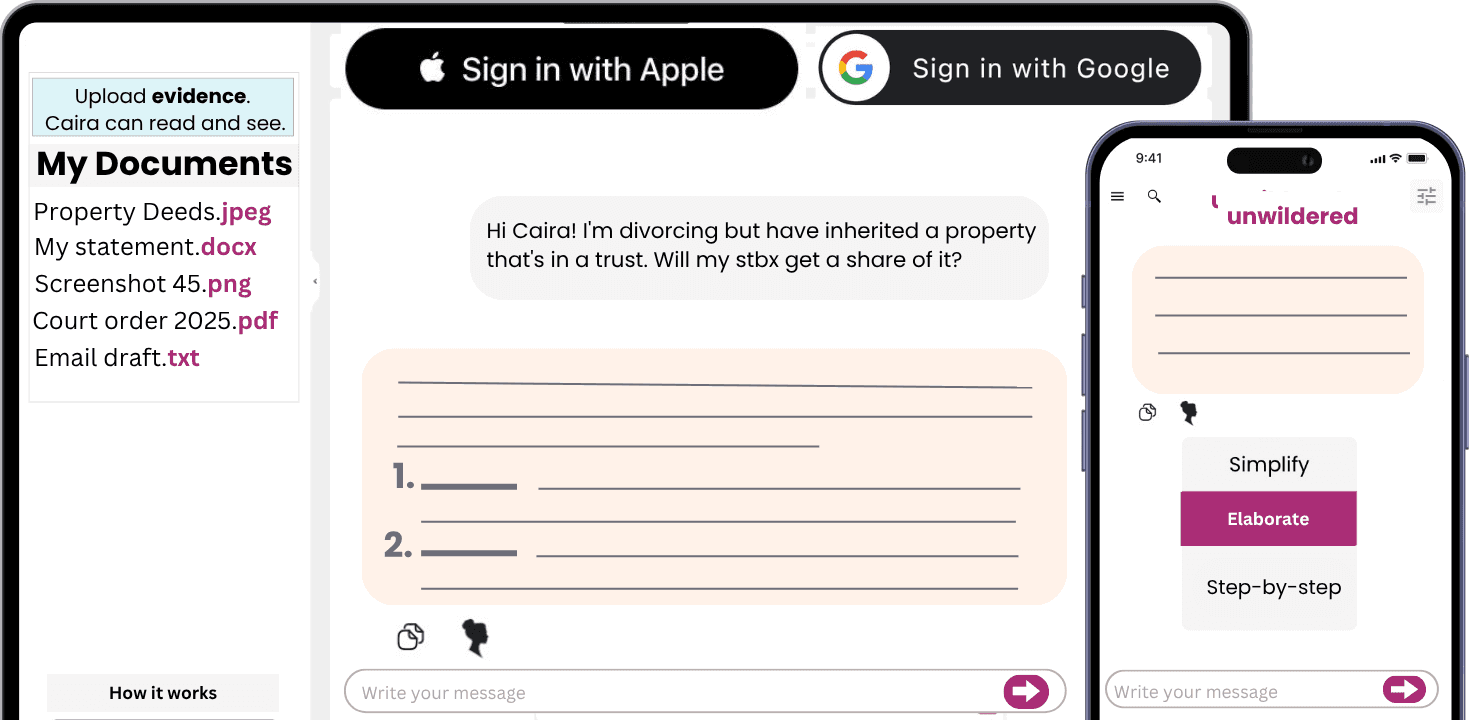
Using Caira to Protect Your Rights
Caira can help you:
Understand ADA requirements and your state’s protections
Draft accommodation requests and document the interactive process
Prepare EEOC charges
Organize your evidence and deadlines
Documents to upload:
Accommodation requests and responses
Medical documentation
Performance reviews
Communications with HR
FedEx’s accommodation policies
Questions to ask Caira:
“Is my condition covered under the ADA?”
“How do I request a reasonable accommodation?”
“What should I include in an EEOC charge?”
“Is this denial of accommodation legal?”
Empower Yourself
You have rights, and the law is on your side. Many FedEx employees succeed by being persistent, documenting everything, and following the proper steps. If you face obstacles, don’t give up—there are clear processes to protect you.
Deadlines matter in employment law. Waiting too long can cost you your claims. Document everything, understand your options, and take informed action.
Caira can help. She’s delightful to chat to.
She helps you feel more confident and less anxious about employment law issues—whether you’re facing disability discrimination, accommodations, or just want to understand your rights. Backed by 50,000 legal documents for all 50 states, Caira can:
Answer your questions instantly 24/7
Review and explain emails, policies, or termination letters
Draft statements or responses for HR or agencies
Give feedback on your filled-in forms or the other party’s arguments
Analyze your uploaded documents, screenshots, or pay stubs
Help you track deadlines and next steps for your state
Try Caira for free—no credit card required.
This information is for educational purposes and is not legal, financial, or tax advice. Disability discrimination law is complex and fact-specific. Outcomes vary depending on the evidence submitted and its strength.