The emergency-room note says “no pain”, but you remember reporting pain when you moved. The physical therapist has the wrong accident date. Meanwhile, an insurer wants a complete medical history before discussing your injury claim.
Medical records matter, but they are not always a tidy account of what happened. Start by obtaining the relevant records, identifying genuine errors and separating treatment facts from conclusions about the accident. This article explains the federal HIPAA baseline; state law can provide additional rights.
Which records should you request?
Ask each relevant provider for the dates and record types you need. A patient portal may contain only part of the file. Billing records, imaging reports, referral notes and treatment restrictions can answer different questions.
Record | What it can help establish |
|---|---|
Emergency or urgent-care notes | Initial symptoms, history and examination |
Imaging report | Findings recorded by the imaging professional |
Therapy and specialist notes | Progress, limitations and recommended treatment |
Itemized bills and payment records | Charges, payments and outstanding amounts |
Earlier relevant records | Baseline condition before the accident |
An imaging report and the underlying images are different items. If both matter, request both. Keep a record of requests and responses so you can explain what is still missing.
How long can access take?
For covered providers and health plans, HIPAA generally requires action on an access request within 30 calendar days. One additional 30-day extension is permitted if the required written explanation and completion date are supplied within the original period. Faster state deadlines may apply.
For your own access request, permitted copying charges are limited; a provider cannot charge a search or retrieval fee. Unpaid treatment bills are not a reason to refuse access. The fee rules for requests made by attorneys or other third parties are not automatically identical.
HIPAA access has exceptions. Separately maintained psychotherapy notes, for example, are different from ordinary clinical records. A records request does not entitle someone to every document ever created about them.
What if a record is wrong?
Request an amendment from the organization holding the record. Identify the exact entry, what you believe is incorrect and why. Under HIPAA, amendment requests generally have a 60-day response period, with one permitted 30-day extension subject to written notice. That is different from the access deadline.
A provider may deny an amendment on a permitted basis. If it refuses, you may have the right to add a statement of disagreement. Keep the original record and the correction correspondence; do not alter a document yourself and present it as the provider’s original.
A messy example: old pain, new restrictions
Marcus had occasional back pain before a collision. Afterward, he cannot sit through his delivery route. The insurer points to his earlier treatment, while one new note simply repeats “chronic back pain”.
The earlier condition does not answer whether the collision caused additional harm. Build a dated comparison: symptoms, medication, work capacity and treatment before and after. Ask the treating professional to clarify genuine ambiguities. Do not ask them to invent certainty or remove accurate history because it seems inconvenient.
Keep gaps visible. “No appointment recorded” is different from “no symptoms”. Equally, your recollection of a recommendation is not the same as a documented medical recommendation.
Should you sign a broad medical authorization?
Read who receives the records, the period covered, the information requested and the purpose. A narrowly framed request and a blanket authorization are different. Relevant prior history can matter, but that does not make every unrelated medical detail necessary.
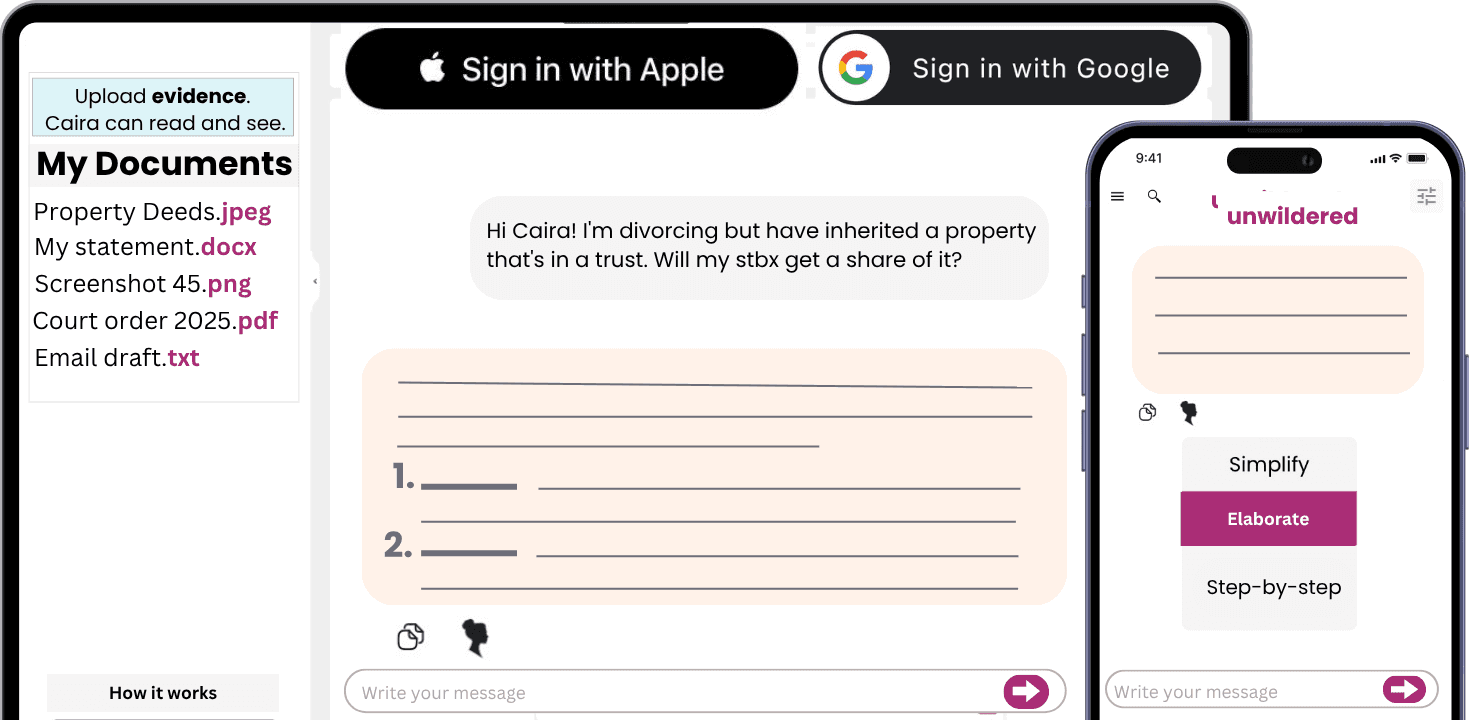
Caira can help create a chronology and flag inconsistent names or dates. Ask her to keep confirmed entries, your recollection and missing information separate. Check the source records before sharing anything.
Questions you might feel awkward asking
Does a mistake mean my whole record is useless?
No. Identify the entry and seek correction or clarification. Other parts may still be accurate and relevant.
Can I leave out an old injury?
Do not give a misleading history. Explain what changed and why the earlier condition is or is not relevant.
Are my portal screenshots the complete file?
Not necessarily. Ask the provider what records the portal excludes.
Reviewed on 10 November 2026.
Disclaimer: This article is general information, not legal, financial, tax or medical advice.