An adjuster offers enough to clear your current bills. Rent is due, you are tired of the calls and the offer expires on Friday. Then your doctor orders another scan.
Accepting a personal injury settlement can provide certainty, but the release may also end claims for harm you do not yet fully understand. In the United States, the effect depends on the wording, state law and circumstances. Do not assume that “standard paperwork” means it has no consequences.
What does a release actually do?
A release generally gives up specified claims in exchange for payment or another agreed benefit. Read who is released, which accident or events it covers and whether it includes unknown or future injuries.
A property-damage payment and a bodily-injury settlement are not necessarily the same thing. Confirm which claim is being settled. A check, electronic acceptance or signed form may have legal significance; do not rely on a casual verbal description of its effect.
Before accepting | What you need to understand |
|---|---|
Scope of release | Which people, companies and claims are covered? |
Medical position | Is future care known, likely or still uncertain? |
Money available | What remains after bills, costs and repayment claims? |
Other insurance | Could settlement affect UM/UIM or another claim? |
Special approval | Is a minor, estate or court approval involved? |
What if you are still being treated?
Ask your treating professional about your condition, restrictions and expected treatment. That does not require a promise about recovery. It helps distinguish a medically supported estimate from a guess.
Settling before treatment finishes is not automatically wrong. But compare the certainty of payment with the risk that future costs will fall on you. Once a valid release covers those injuries, reopening the claim can be difficult. Do not treat the possibility of later undoing the agreement as a safety net.
There is no universal rule that you must wait a fixed number of months or receive a particular medical label before any settlement. The relevant question is what you understand and are giving up in this case.
A messy example: the offer solves one problem and creates another
Jamal receives an offer after a collision. He needs cash to replace missed income and believes his neck strain is improving. His doctor has also referred him for persistent hand numbness, but the appointment is six weeks away.
He should not describe a future operation as certain when none has been recommended. Equally, treating the referral as irrelevant would overlook an unresolved issue. Ask whether the offer can remain open, what losses it includes and whether the proposed release ends claims connected with the numbness.
Also check existing payments. If Medicare paid accident-related treatment, or another payer asserts reimbursement, the amount offered may exceed what Jamal can actually keep. The provider’s invoice, insurer’s payment and any repayment demand require separate checks.
What if the insurer says you were partly at fault?
Ask which facts support that position. A disputed percentage is not automatically established because it appears in an offer letter. Photos, witness evidence and medical records can change the negotiation.
State rules differ substantially. Some reduce recoverable damages; others bar certain claims once fault exceeds a threshold. New York’s 2026 motor-vehicle changes are a reminder that even familiar state summaries can become outdated. Do not import a percentage rule from another state or claim type.
Keep court and policy deadlines separate from the offer deadline. Negotiating does not ordinarily extend the time to sue. If another insurer’s consent is required before settlement, obtain clarity before signing away claims against the driver.
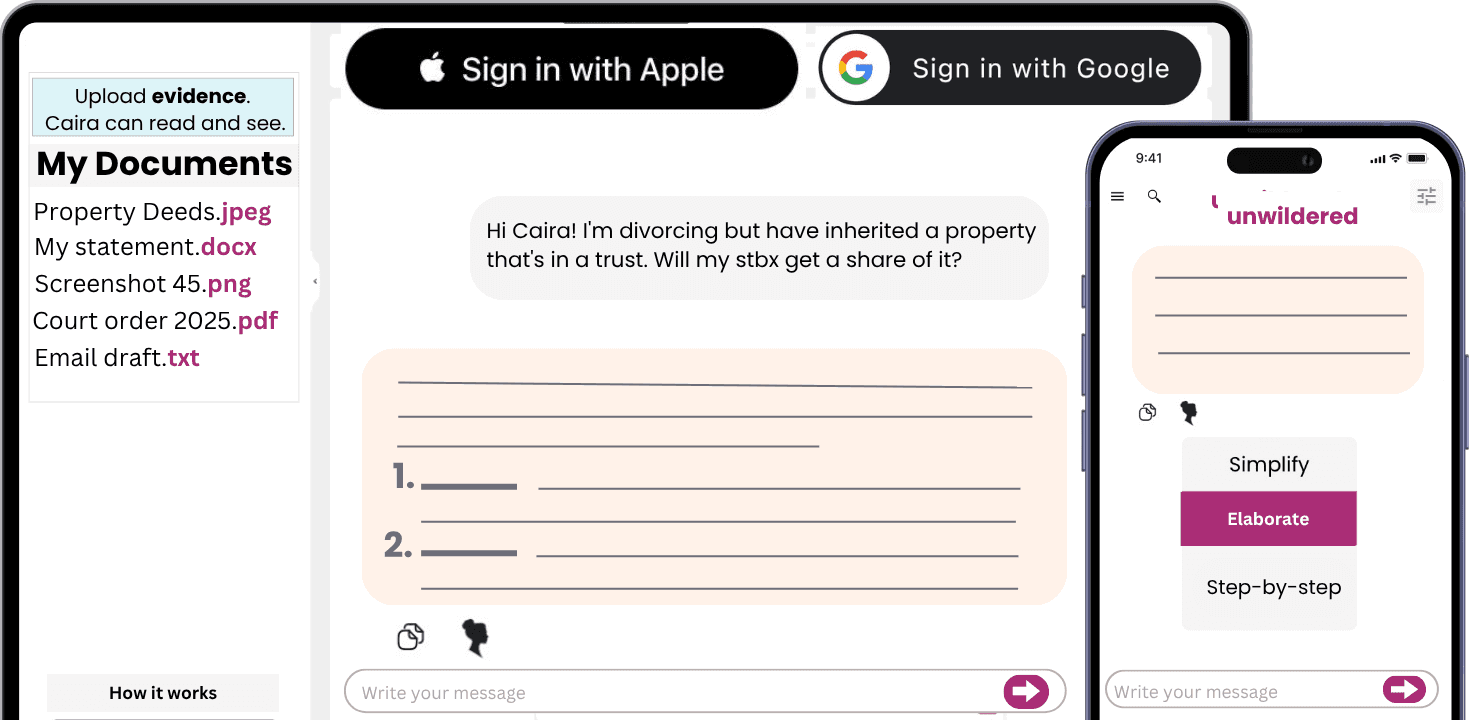
Caira can help compare a release with the offer letter and produce questions about unclear clauses. Check the wording yourself and obtain individual advice where needed, particularly for serious injuries or court-approved settlements.
Questions you might feel awkward asking
Can I ask for time to read it?
Yes. Ask for the full terms and the actual acceptance deadline in writing. An extension is not guaranteed.
Can I change my mind after signing?
Do not assume so. Enforceability and any challenge depend on state law and the facts.
Is the offer the amount I take home?
Not necessarily. Account for outstanding bills, costs and valid repayment obligations.
Reviewed on 10 November 2026.
Disclaimer: This article is general information, not legal, financial, tax or medical advice.