You have a claim number, a folder of bills and an adjuster asking what amount would “resolve everything”. The repair bill is straightforward. Your shoulder, missed shifts and possible future treatment are not.
A personal injury demand letter explains why you believe someone is responsible and what compensation you seek. It is a negotiation document, not a court judgment. This article covers general preparation in the United States; state law, policy terms and the type of claim can change the requirements.
What should a demand letter contain?
Start with the accident date, parties, claim number and a concise account. Separate what you personally observed from what a witness or report says. Explain the injuries and connect each claimed loss to supporting evidence.
Part of the demand | Helpful evidence |
|---|---|
Responsibility | Photos, witness accounts, incident or police report |
Injury and treatment | Medical records, diagnoses and treatment timeline |
Financial loss | Bills, payment statements and wage records |
Continuing effects | Documented restrictions and supported future-care needs |
Amount requested | Itemized losses with an explanation of disputed items |
An attachment list makes the letter easier to check. Keep originals and a copy of exactly what you sent. Avoid sending unrelated sensitive material simply because it happens to be in the same folder.
How do you explain facts that are awkward?
Imagine Sofia was rear-ended, but her first medical record mentions an earlier neck problem. She waited five days for treatment because she could not afford to miss work. A later note mistakenly says she was the driver of the other vehicle.
Pretending those details do not exist creates avoidable problems. Identify the recording error and request an amendment through the provider’s process. Explain the treatment gap accurately, with dates. Describe how symptoms or functioning changed after the collision without claiming that an old condition never existed.
The other side may dispute causation, responsibility or the amount. A clear account does not have to concede every disputed point; it should distinguish evidence from assumptions and identify what remains uncertain.
How much should you ask for?
There is no nationwide formula that turns medical bills into a guaranteed settlement. Claimed losses, legally recoverable damages, available insurance and the eventual amount received are different figures.
Separate billed medical charges from amounts paid, outstanding balances and possible reimbursement obligations. State rules can affect how medical damages are proved. If future treatment is uncertain, say so. A guess presented as a confirmed surgical cost is not stronger evidence.
Pain, disrupted sleep and difficulty caring for a child may matter, but explain their actual impact rather than automatically multiplying the bills. A policy limit is also not a promise that the insurer will pay that amount.
What should you check before sending?
Check the correct recipient and coverage. A claim against your own insurer can have different duties from a claim against another driver’s carrier. Government defendants, minors and specialized claims may require separate procedures.
Keep the lawsuit deadline on a separate calendar. Sending a demand, waiting for medical records or negotiating with an adjuster does not ordinarily stop the limitation clock. A deadline you put in your letter does not automatically create a legal duty to settle.
Some states have technical rules for time-limited or policy-limits demands. A general internet template may be unsuitable, particularly where multiple injured people or limited coverage are involved.
Can Caira help with the paperwork?
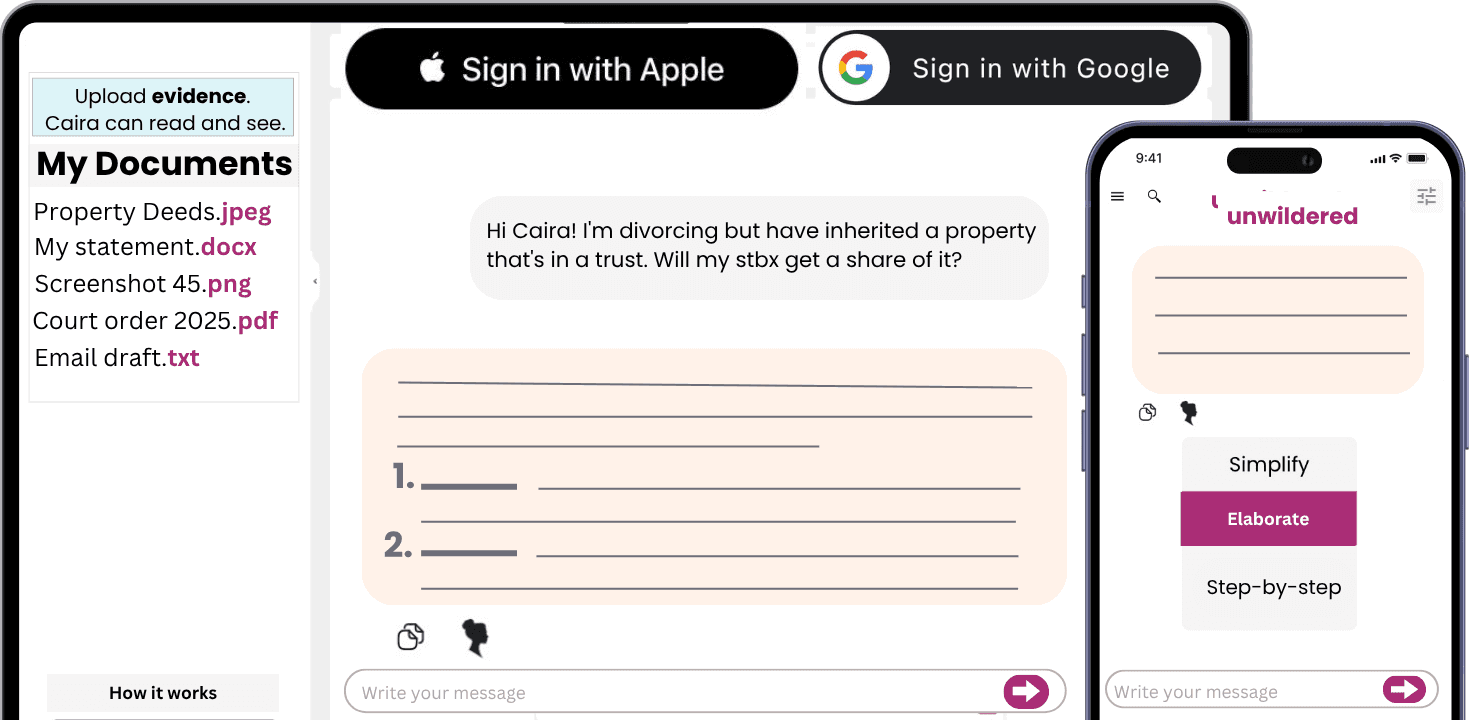
Caira can help organize your documents, build an attachment checklist and identify inconsistent dates. Ask her to mark missing evidence and distinguish your account from statements in the records. Check every figure, quotation and legal reference yourself. A polished letter cannot establish a diagnosis or guarantee a settlement.
Questions you might feel awkward asking
Is a demand letter the same as suing?
No. It asks for payment or settlement. Starting a lawsuit requires the applicable court procedures.
Must I accept their first offer?
No. You can ask how it was calculated and respond with evidence. Check deadlines while negotiating.
Can I send a letter before treatment finishes?
You can communicate with the insurer, but a final settlement may release future claims before their cost is understood.
Reviewed on 10 November 2026.
Disclaimer: This article is general information, not legal, financial, tax or medical advice.